Botox for Breakfast: On beauty standards, social pressure and the constant drive to fix ourselves
Dec 11, 2025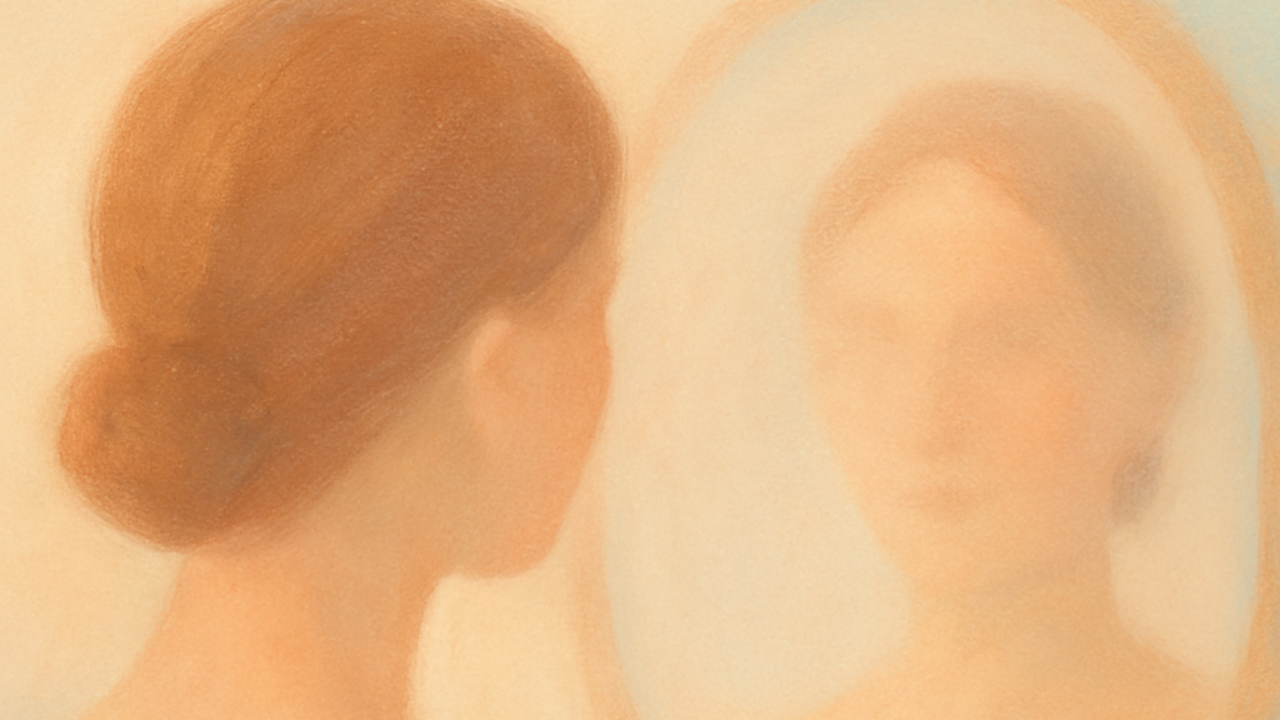
There’s been a noticeable change in the way people talk about plastic surgery lately, and once you start paying attention to it, it’s hard to unsee. It comes up casually now, making its way into everyday conversation, mentioned the same way people talk about their errands or dinner plans. People will casually reference getting injections in their face before going out with friends, as if it’s just another thing to squeeze into their busy day.
Being open about this stuff isn’t the issue. In many ways, transparency is better than pretending these things are “natural.” What feels concerning for me is how that openness has now turned into an expectation. Something medical and invasive has started to feel normal and routine, required even. It’s being discussed like basic upkeep rather than a serious medical decision.
I hear things like, “Everyone does it,” or “Why haven’t you yet,” or "When are you starting," “It’s just maintenance.” People say these things so casually. It sounds like the way they’d talk about upgrading their iphone or keeping up with a trend. But when cosmetic procedures are framed like this, the conversation moves away from being a personal choice and instead toward hierarchy and social status. It becomes about who is keeping up and who isn’t. Your face starts to feel like something you’re supposed to forever improve and it seems like we are all just accepting this. But we don't have to.
You can see how far this normalization has gone in the way cosmetic procedures are now pitched as thoughtful, even loving, gifts. We’re at a point where altering your appearance can be wrapped up in the language of care. When something invasive is presented as kindness or support, the real intention behind it becomes even harder to question.
I’ve even seen cosmetic procedures be framed as something spiritually meaningful, which feels like a stretch so dramatic that it borders on delusional. Judaism absolutely teaches that our everyday choices should be infused with intention and meaning, that the ordinary can be elevated. But not everything we do automatically becomes holy just because we want it to be.
Let me be clear. I am not anti–plastic surgery. I am anti the idea that we’re supposed to hate parts of ourselves until we fix them.
That kind of self-hatred doesn’t come from nowhere. It’s shaped over time by a culture that teaches us, explicitly and implicitly, what is acceptable to look like. And we should be able to talk about that without it being twisted into judgment, labeled as an attack other women, or denying anyone’s autonomy.
I also don’t believe that everyone who chooses cosmetic procedures hates themselves. That would be too simplistic. There are people who feel at peace with themselves and still choose to make changes for reasons that feel intentional or genuinely helpful. Sometimes a procedure can ease insecurity or bring someone closer to how they see themselves.
But individual experiences don’t erase the broader culture we’re all swimming (drowning ?) in.
Once a culture treats self-alteration as normal, even virtuous, the standard doesn’t stay still. It keeps morphing. When what’s considered attractive keeps changing every few months, how are you not supposed to feel pressure to keep doing more? That isn’t self-love. It’s an abyss that no person can ever fill, because the standard itself is designed to stay just out of reach.
Then there’s the wellness contradiction. We’re living in an era obsessed with “clean living". We avoid chemicals, toxins, plastics, and anything deemed “unnatural”. We filter our water, read labels obsessively, micromanage our routines, and frame all of it as care for our health. But injecting neurotoxins into our faces is treated as completely normal. Botox is talked about the way people talk about brushing their teeth. It’s accepted without question, even though it has nothing to do with health or longevity. It’s simply treated as part of staying socially acceptable.
The internet has made it incredibly easy for unhealthy, disordered, and frankly pathological behavior to look aspirational. Extreme routines, obsessive regimens, and body-altering procedures are presented as self-care. The digital world has a way of making dysfunction look desirable, and that distortion leaves so many people feeling like they’re getting it wrong and need to do whatever that online personality is doing in order to get it right.
That’s why the focus has to be on the culture creating these pressures, not the people trying to survive within it.
This isn’t about shaming anyone’s personal decisions. It’s about naming a culture that treats changing your face and avoiding aging like a necessary responsibility, while treating aging naturally as a personal failure. It’s about questioning why the bar for what we must do to be accepted keeps rising, and who benefits from that.
This machine thrives on dissatisfaction. It needs you to believe that you’re always one purchase, one procedure, one lifestyle tweak away from finally feeling good enough. Beauty standards are never neutral. They shape how we value ourselves, how we spend money, how we age, and how we relate to our own reflection.
And we can see the extremes of this mindset playing out in real time. Look at someone like Bryan Johnson, the tech millionaire who has turned avoiding aging into a full-time project. His regimen is so intense and so detached from anything resembling a normal or mentally healthy life that it feels more like a warning than anything else. Even with endless money, access, procedures, supplements, lasers, and medical oversight, he still looks like someone desperately trying to outrun something inevitable.
At some point, the injections stop working the way they used to. Procedures escalate. Faces change in ways that can’t be controlled. And eventually, everyone has to confront the same reality: No one escapes aging. No amount of money or access stops it. You cannot buy your way out of being human. The only way to stop aging is to DIE.
The more we treat these procedures as normal, expected, or status-driven, the more we feed a culture that profits from our discomfort. The more we comply, the more the machine grows.
Maybe the problem isn’t our faces or our bodies. Maybe the problem is the system that keeps convincing us to spend endless time, money, and emotional energy fighting a battle that no one was ever meant to win.
❤️🩹❤️🩹
Stay connected with news and updates!
Join our mailing list to receive the latest news and updates from our team.
Don't worry, your information will not be shared.
We hate SPAM. We will never sell your information, for any reason.
